

Are you ready to transform how you connect with audiences at the Experiential Marketing Summit 2025 and create immersive brand experiences that stick?
Experiential Marketing Summit Strategies for Immersive Brand Experiences
You’re about to engage with a rapidly evolving field where physical presence, digital innovation, and human emotion meet. This guide will help you plan, execute, and measure immersive experiences that amplify brand value at the experiential marketing summit 2025 and beyond.
Why experiential marketing matters now
You’re operating in an attention economy where consumers crave meaningful, memorable interactions. Experiential marketing creates emotional bonds through multisensory, participatory events that turn passive audiences into active advocates. When you design experiences that resonate, your brand gains deeper loyalty, word-of-mouth, and measurable business outcomes.

This image is property of pixabay.com.
Summit goals: clarify what you want to achieve
Before you design an experience, you need clear goals. Define whether you’re aiming for awareness, lead generation, product education, customer retention, or direct sales. Each goal demands different design elements, KPIs, and budget choices.
Align experiences with your brand objectives
You should translate corporate or campaign objectives into experience design principles. If your priority is product education, build hands-on demonstrations. If you’re focused on brand love, concentrate on storytelling and emotional triggers that create memorable moments.
Set measurable KPIs from the start
You’ll want KPIs that map to your goals—impressions, dwell time, lead quantity/quality, sentiment lift, social mentions, and conversion rate. Setting measurable targets up front gives you a clear way to evaluate success and optimize future efforts.
Understanding summit audiences
You’re likely to encounter diverse attendee types at a summit: buyers, partners, press, influencers, and curious consumers. Knowing their expectations will help you craft layered experiences that satisfy multiple needs simultaneously.
Segment attendee personas
Create persona clusters—decision-maker, influencer, end-user, and media—so you can tailor messaging, touchpoints, and content. Each persona should have specific needs, emotional drivers, and desired outcomes from their experience with your brand.
Map the attendee journey
Design a journey map from awareness to post-event follow-up. Note touchpoints—pre-event comms, on-site check-in, main activation, breakout sessions, swag, and post-summit outreach. By mapping this journey, you’ll reduce friction and maximize impact.

This image is property of pixabay.com.
Types of immersive experiences to consider
You can choose from a spectrum of experiential formats depending on your goals, budget, and audience preferences. Each format has strengths and trade-offs.
Product-driven activations
These are centered on hands-on use and demonstration. You should enable attendees to try products in realistic scenarios, encouraging tactile and emotional connection. This format is great for driving trial and technical understanding.
Storytelling and theater-style experiences
You should design narrative-driven moments that transport attendees into the brand story. Using theatrical staging, live performers, or guided narrative tours can evoke strong emotional responses and memorable takeaways.
Interactive technology installations
Technology can amplify immersion through AR, VR, projection mapping, motion sensors, and interactive displays. Use tech to create personalizable, shareable moments that merge physical and digital layers.
Workshops and co-creation labs
You should offer hands-on learning where attendees collaborate on product ideas, service improvements, or creative outcomes. Co-creation builds personal investment and provides you with direct feedback and user-generated content.
VIP and intimate experiences
Create exclusive, smaller-format interactions for high-value prospects, partners, or press. Intimacy allows for deeper conversations, tailored demonstrations, and stronger relationship building.

Designing for sensory and emotional engagement
You want attendees to remember how your brand made them feel. Sensory design shapes emotional memory and increases recall.
Use multi-sensory triggers intentionally
Combine sight, sound, scent, texture, and taste where appropriate. For instance, scent can trigger memory; music sets tempo; tactile elements create connection. Use sensory elements to reinforce your core message without overwhelming the attendee.
Leverage storytelling frameworks
You should structure experiences using narrative arcs: set context, create tension or curiosity, reveal value, and close with a memorable call-to-action. A strong story helps attendees place your brand in their personal narrative.

This image is property of pixabay.com.
Technology integration: blending physical and digital
Technology should be a means to enhance human connection, not a gimmick. When integrated thoughtfully, tech boosts personalization, data capture, and post-event engagement.
Augmented and virtual reality
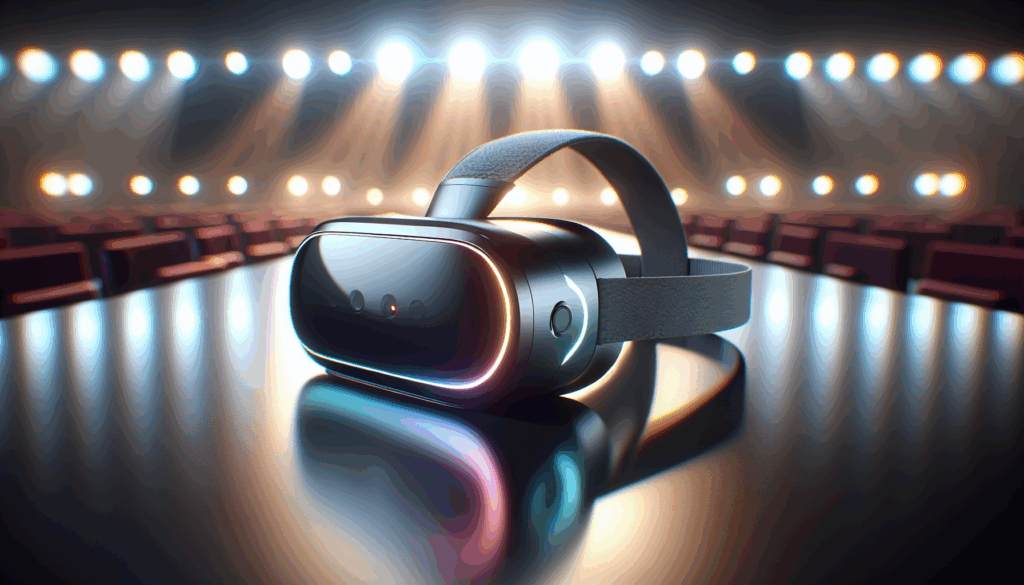
AR and VR let you create immersive worlds or overlay digital information onto real objects. Use AR for on-site interactive product overlays and VR for transportive demos or training simulations. Ensure hardware is comfortable and UX is frictionless.
Mobile and app-based layers
You should provide an event app or mobile web experience to guide attendees, offer personalized content, and enable interactions such as RSVP for sessions, gamification, or digital scavenger hunts. Mobile is a central hub for data capture and follow-up.
Projection mapping and kinetic installations
Large-scale projections and dynamic physical elements create spectacle and memorability. Use mapping to transform physical space and create shareable moments. Keep content short and captivating so attendees want to watch and capture it.
Data capture and privacy considerations
You’ll collect lead data, behavioral signals, and engagement metrics. Be transparent about data use, comply with privacy regulations like GDPR/CCPA, and provide easy opt-in/opt-out. Ethical data practices build trust and support long-term relationships.
Experience personalization at scale
You want to create personalized moments even when serving large crowds. Personalization increases relevance and conversion.
Use segmentation and real-time triggers
Leverage pre-event data (registrations, interests) and on-site behavior (session attendance, interactions) to deliver tailored content. Real-time triggers can recommend sessions or prompt staff to offer specialized demos.
Badge and token-driven personalization
Badges, QR codes, or NFC tokens can store attendee preferences and unlock tailored experiences. Use these tokens to surface relevant content, send personalized follow-ups, or dispense custom swag.

Staff and ambassador strategy
Your staff are the human face of your brand. You should recruit, train, and empower them to deliver consistent, brand-aligned interactions.
Training and scripting
Provide role-specific training, core messaging, and scenario rehearsals. While scripting helps maintain message fidelity, encourage authentic conversation to build rapport. Equip staff with FAQs and escalation paths.
Ambassador selection and incentives
Choose ambassadors who embody your brand values and can connect with target attendees. If you use influencers, set clear deliverables, content guidelines, and trackable codes to measure impact.
Partnerships and sponsorship models
You should evaluate complementary partnerships that extend your reach or add capabilities. The right partners can contribute space, technology, or audience access.
Strategic brand collaborations
Partner with brands that share an audience but aren’t direct competitors. Co-branded activations can reduce cost and create a richer experience. Define shared KPIs and revenue or lead-sharing agreements up front.
Media and channel partnerships
Secure media partners to amplify your message before, during, and after the summit. Press and trade outlets can drive attendance and credibility. Provide exclusive content or interviews to incentivize coverage.
Logistics and on-site operations
Operational excellence ensures smooth experiences. You should plan for flow, safety, staffing, and contingencies.
Venue layout and flow management
Design a layout that minimizes bottlenecks and guides attendees naturally through the experience. Consider sightlines, queuing, accessibility, and proximity to utilities. Clear signage and friendly staff reduce confusion.
Health, safety, and accessibility
You must comply with local regulations, provide first aid plans, and accommodate accessibility needs. Accessible design expands your audience and demonstrates inclusivity.
Staffing and shift planning
Create staffing rosters, clear role definitions, and contingency plans for no-shows. Plan breaks to maintain service quality across long summit days.
Budgeting and cost optimization
You should budget across production, staffing, technology, marketing, and measurement. Effective budgeting balances ambition with realistic ROI expectations.
Break down cost centers
Use a table to help you plan and track expenses across main categories.
| Cost Center | What it covers | Tips to optimize |
|---|---|---|
| Space & Venue | Booth/activation space, utilities, logistics | Negotiate package deals, consider off-site pop-ups |
| Production & Build | Set design, fabrication, staging, decor | Reuse modular pieces, rent vs build analysis |
| Technology | AR/VR hardware, projection, apps, networks | Pilot less-expensive tech, partner with vendors |
| Staffing & Training | Hosts, technicians, security | Use experienced contract teams, cross-train staff |
| Marketing & Promotion | Pre-event outreach, PR, on-site signage | Leverage partner channels, focus on target segments |
| Swag & Materials | Giveaways, collateral, print | Prioritize high-value items and sustainability |
| Measurement & Analytics | Data tools, surveys, reporting | Plan KPIs early to avoid retrofitting tools |
| Contingency | Unexpected costs | Allocate 10–15% of total budget |
Prioritize outcomes for ROI
Allocate more budget to elements that directly influence your primary KPIs. If lead quality matters most, invest in demo stations and trained staff. If brand awareness is the goal, invest in high-impact visual experiences and media amplification.
Measurement and attribution
You want to prove the value of your summit investment. Define an attribution model and tracking mechanisms before you launch.
Pre-event, on-site, and post-event metrics
Measure reach (registrations, impressions), engagement (dwell time, interactions), conversion (leads, demos, sales), and long-term impact (pipeline influence, retention). Combine quantitative metrics with qualitative feedback.
Tools and techniques for tracking
Use CRM integrations, custom event apps, badge scan data, lead retrieval systems, and social listening. Heatmaps and sensor analytics help measure flow and dwell. Post-event surveys capture sentiment and intent.
Attribution models for experiential events
You can use first-touch, last-touch, or multi-touch attribution depending on your sales cycle. Multi-touch models often give a more complete picture of how experiences contributed to pipeline and revenue.
Content strategy before, during, and after the summit
Content carries your message across phases and channels. You should build a narrative arc that connects pre-event hype to post-event activation.
Pre-summit content
Use teasers, behind-the-scenes builds, speaker spotlights, and targeted invites to prime attendees. This increases anticipation and reduces on-site friction as people arrive knowing what to expect.
Live content during the summit
Create compelling live content such as demos, interviews, and performance snippets. Use short-form clips optimized for social sharing. Encourage user-generated content with branded hashtags and interactive prompts.
Post-summit follow-up
Follow up quickly with personalized content—recordings, product trials, tailored offers, and next steps. Don’t let the momentum fade; a timely sequence of touches converts interest into action.
Social amplification and earned media
You want your activation to be seen beyond the summit floor. Social and earned media expand reach and drive sustained impressions.
Design shareable moments
Create photogenic or interactive installations that invite attendees to create content. Use clear branding and a dedicated hashtag so you can aggregate content and measure reach.
Media relations and press kits
Prepare press kits, spokesperson availability, and embargoed content for media partners. Unique announcements or exclusive demos give journalists reasons to cover your activation.
Sustainability and ethical considerations
Sustainability matters to consumers and partners. You should minimize waste and align practices with your brand values.
Sustainable materials and waste reduction
Choose recycled or reusable materials for builds, minimize printed collateral, and select eco-friendly swag. Plan logistics to reduce shipping and excess packaging.
Inclusive and ethical design
Design for accessibility and cultural sensitivity. Avoid gimmicks that could be offensive or exclusionary. Ethical practices extend to fair labor and vendor transparency.
Post-summit activation and long-term engagement
You want the experience to be the start, not the end, of a relationship. Structured follow-up transforms leads into customers and advocates.
Nurture tracks and content sequencing
Segment post-event contacts and deliver tailored nurture sequences—educational content for trial users, product demos for leads, and VIP outreach for high-value prospects. Personalization increases conversion.
Repurpose and scale the experience
Convert your activation into scalable formats—virtual tours, webinars, downloadable assets, and retail pop-ups. This extends reach and lowers the cost of reproducing impactful moments.
Case studies and examples
You learn best from concrete examples. Here are summarized case ideas to inspire your approach.
Case example 1: Product trial pop-up
A consumer tech brand created a themed pop-up where attendees could test devices in real-life scenarios. They used sensors to track interaction time, captured leads via QR codes, and followed up with personalized offers. The result was increased trial conversion and positive press.
Case example 2: Story-driven theater activation
A heritage brand staged short theatrical experiences that traced company history and product craftsmanship. Attendees left with a branded memento and a QR code linking to a mini-documentary, fueling social shares and earned media.
Case example 3: Co-creation lab with customer feedback loop
A B2B provider invited customers to prototype solutions at the summit. Feedback from sessions informed product roadmap decisions, while participants felt ownership and became advocates.
Common pitfalls to avoid
You want to avoid mistakes that reduce effectiveness. Recognize common traps so you can plan around them.
Over-reliance on technology
Tech is powerful but can fail. You should have low-tech fallbacks and prioritize user experience over spectacle.
Vague goals and poor measurement
Without clear KPIs you’ll struggle to demonstrate value. Set metrics early and align tools to capture them.
Ignoring attendee flow and comfort
Even the most creative activation fails if attendees can’t access it easily or if lines are chaotic. Prioritize comfort, accessibility, and clear routing.
Checklists and templates
You’ll benefit from structured checklists to manage complexity. Use the following condensed checklist as a starting point.
| Phase | Key Actions |
|---|---|
| Planning (3–6 months) | Define goals, audience, KPIs; budget; select venue; secure partners |
| Design (2–4 months) | Concept development, tech selection, storyboarding, staffing plan |
| Production (1–2 months) | Fabrication, content creation, testing of tech integrations |
| Pre-event (2–4 weeks) | Promote, confirm speakers, run staff training, run technical rehearsals |
| On-site | Smooth check-in, staff briefings, monitor metrics, capture content |
| Post-event (0–4 weeks) | Follow-up sequences, analytics reporting, debrief and lessons learned |
Frequently asked questions
You’ll likely have specific operational or strategic questions. Here are common FAQs and concise answers.
How do I balance spectacle with substance?
Prioritize relevance. Spectacle should amplify your message, not replace it. Ensure every eye-catching element ties back to a meaningful interaction or takeaway.
What’s the ideal team size?
Team size depends on scope. A rule of thumb: at least one host per 20–30 attendees during peak times, plus dedicated technicians and a logistics lead. For VIP or demo-heavy zones, increase staffing proportionally.
How do I measure brand lift?
Use pre- and post-event surveys to gauge awareness, favorability, and purchase intent. Combine survey data with engagement metrics for a fuller picture.
Final recommendations for success at experiential marketing summit 2025
You should approach the summit with clarity of purpose, an empathetic understanding of attendees, and a balanced use of creativity and measurement. Test your concepts early, train your staff thoroughly, and plan follow-up sequences that convert curiosity into action. When you prioritize meaningful interactions and measurable outcomes, your immersive experiences will become memorable brand milestones that drive business value.
If you’d like, you can ask for a tailored pre-event checklist, sample budget template, or a 90-day follow-up cadence you can adapt to your brand and summit goals.